Robotics
Tiangong Ultra wins the humanoid robot games' 100 m final in 8.64 seconds
A Beijing-built humanoid cut its 100 m time to 8.64 seconds, down from 21.50 a year ago. The jump says a lot about locomotion engineering. The Usain Bolt comparison says little.
HackHoster Team · · 11 min read
At a glance
- Tiangong Ultra won the large-size 100 m final at the second World Humanoid Robot Games in Beijing on August 26, 2026, in 8.64 seconds, according to CGTN.
- It lowered the games record three times in five days, from 9.39 seconds on opening day to 8.86 in Tuesday's semifinal and 8.64 in the final.
- A Tiangong robot won the 100 m at the first games in August 2025 in 21.50 seconds, so the winning time fell by about 60% in a year.
- The 2026 games drew 2,056 robots from 666 teams across 51 events, up from 280 teams and more than 500 robots in 2025.
- After its 8.86-second semifinal, Tiangong Ultra crashed into the padded barrier past the finish line, and Al Jazeera reported a small fire in its torso.
Tiangong Ultra, a humanoid robot built by the Beijing Humanoid Robot Innovation Center, won the large-size 100 m final at the second World Humanoid Robot Games in Beijing on Wednesday, the closing day, in 8.64 seconds, according to CGTN. It had already lowered the games record twice that week. On Saturday's opening day it ran 9.39 seconds, overtaking Lightning, a robot from smartphone maker Honor, near the finish. On Tuesday it ran 8.86 seconds in the first group of the large-size semifinal.
A year ago, at the first edition of the games, a Tiangong robot won the 100 m in 21.50 seconds. The new mark is well under half that. The center also says its Tiangong robots have run 38.15 seconds for 400 m and 2:21.64 for 1,500 m and cleared 2.88 m in the high jump, and it counts those three, plus the 100 m, as four human world records beaten.
The semifinal did not end cleanly. A thick mat sits past the finish line to stop the sprinting machines. Tiangong Ultra ran into it and collapsed, and Al Jazeera reported a small fire in the robot's torso. The Global Times described it crashing into a blue wall, falling and giving off sparks. In the other semifinal, according to Al Jazeera, a robot came apart mid-race.
Those two images, a record time and a robot that cannot stop, are a fair summary of where legged robots stand. This piece looks at what changed in a year, what the numbers do and do not show, and what builders can take from it.
The games and the robot
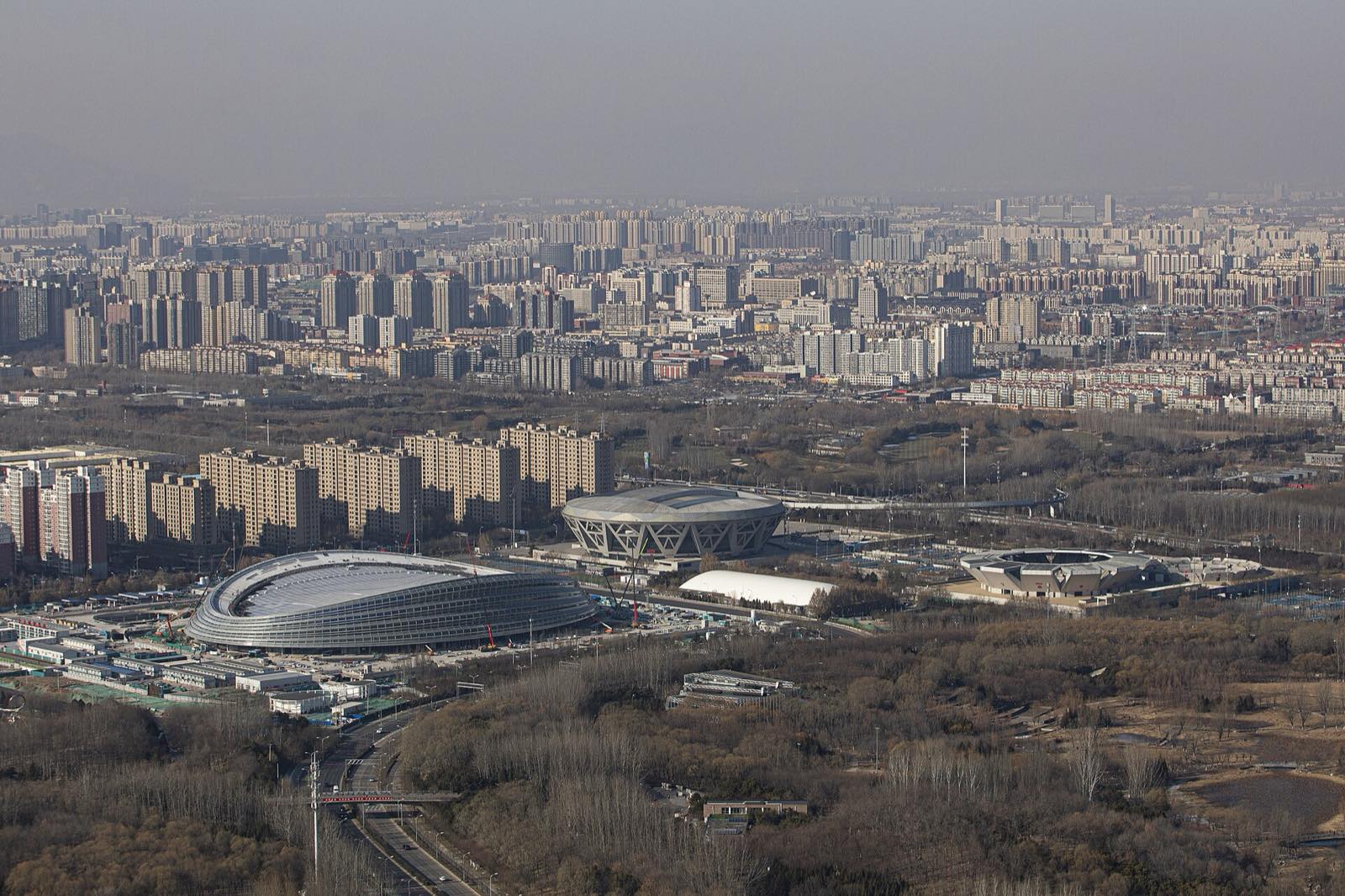
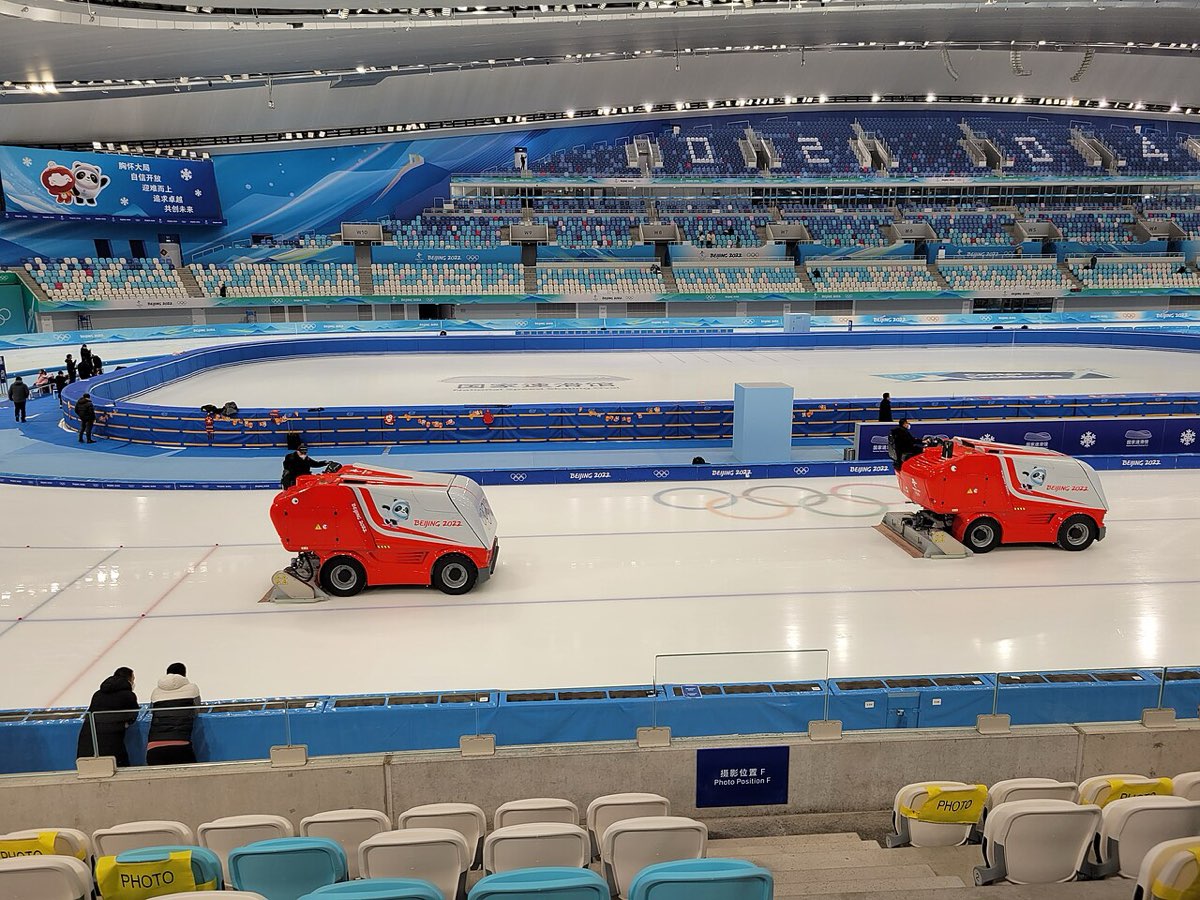
The second World Humanoid Robot Games ran from August 22 to 26 at Beijing's National Speed Skating Oval. CGTN counted 2,056 humanoid robots from 666 teams in 51 events, with 1,301 contests over five days. Alongside track, football, table tennis, gymnastics, weightlifting, martial arts, tug-of-war and combat, there were 21 scenario-based events set in factories, hotels, supermarkets and emergency response.
The first edition, in August 2025, was much smaller: about 280 teams, more than 500 robots and 26 events, according to Wikipedia's summary of the event. At the closing ceremony this year, organizers released a dataset of more than 2,500 hours of real-world operational data from training and competition, covering 12 application scenarios, more than 100 skills and over 10,000 tasks, free to companies, universities and research institutions. They also announced a third edition in Beijing in August 2027, with a larger share of scenario-based events.
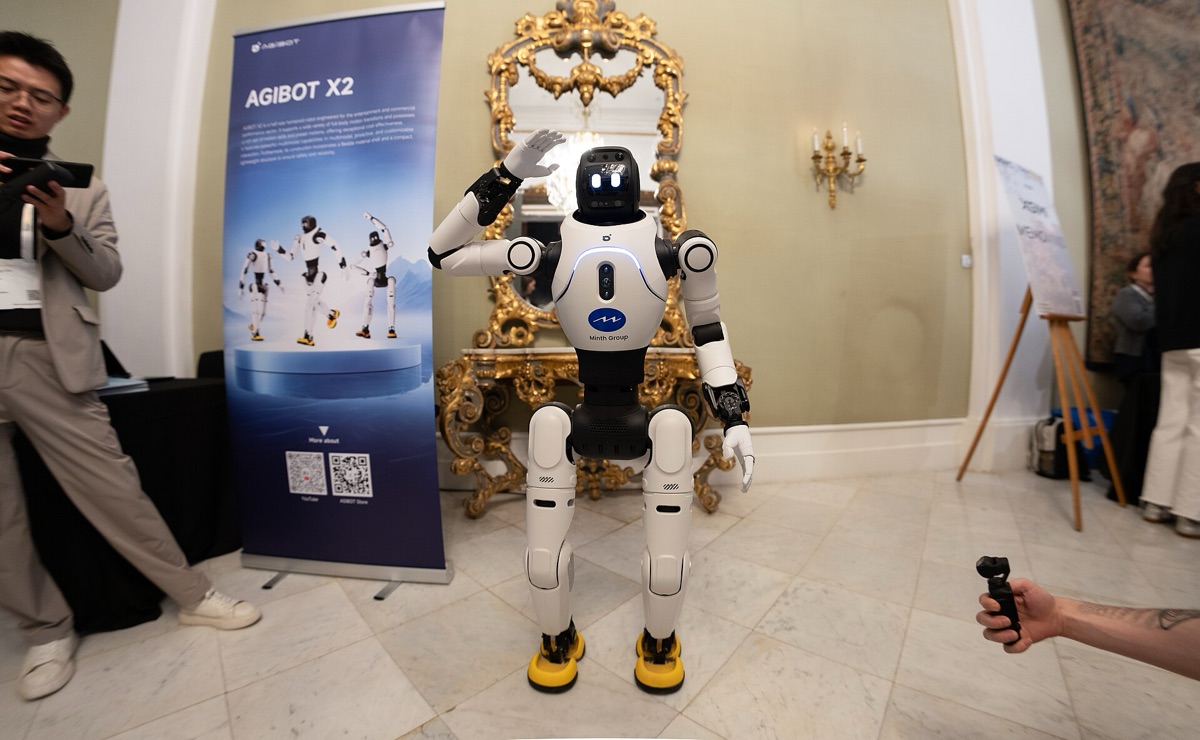
Tiangong Ultra is a model built for track and field, the center told the Global Times: sprints, middle and long distances, relays and jumps, from 100 m to 1,500 m. The center itself is a Beijing venture with mixed ownership. CGTN reported in 2025 that two state-owned enterprises held 43% and that Xiaomi's robotics arm and the humanoid maker UBTech held equal shares of the rest. Al Jazeera, citing the corporate data provider Qichacha, lists state-owned enterprises, investment funds, Baidu and Xiaomi's robotics unit among current shareholders. Al Jazeera also notes that China has designated humanoid robots a strategic emerging industry.
From a jog to a sprint in 16 months
The Tiangong line's public record makes the pace of change easy to see. In April 2025 a Tiangong Ultra won the world's first humanoid half marathon, in Beijing, in 2 hours, 40 minutes and 42 seconds. The center's public relations head, Wei Jiaxing, told CGTN at the time that the team had improved the stability, heat resistance and shock resistance of the joints, and that the robot's running speed had risen from 6 km/h to as much as 12 km/h. The center's chief technology officer, Tang Jian, said it swapped batteries three times during the race.
| Date | Event | Time | Average speed |
|---|---|---|---|
| 2022 | Cassie, Oregon State, 100 m world record for a bipedal robot | 24.73 s | 4.0 m/s |
| April 19, 2025 | Tiangong Ultra, Beijing half marathon (21.1 km) | 2:40:42 | 2.2 m/s |
| August 2025 | Tiangong, first robot games, 100 m | 21.50 s | 4.7 m/s |
| August 22, 2026 | Tiangong Ultra, opening day, 100 m | 9.39 s | 10.6 m/s |
| August 22, 2026 | Honor's Lightning, same race | 9.47 s | 10.6 m/s |
| August 25, 2026 | Tiangong Ultra, semifinal | 8.86 s | 11.3 m/s |
| August 26, 2026 | Tiangong Ultra, final | 8.64 s | 11.6 m/s |
| 2009 | Usain Bolt, human 100 m world record | 9.58 s | 10.4 m/s |
How to read the speeds. Average speed is just distance over time, and it includes the standing start. At 8.64 seconds, Tiangong Ultra averaged about 11.6 m/s, roughly 42 km/h, over the whole 100 m. Its peak speed would have been higher, but the reports we found give only finishing times.
Other events moved just as fast. CGTN reports that the large-size 400 m record fell from 1:28.03 in 2025 to 38.15 seconds, the best 1,500 m from 6:34.40 to 2:21.64, and the standing high jump record from about 0.96 m to 3.40 m.
Tiangong also has a serious rival. Honor's Lightning, which Tiangong overtook near the finish on opening day, ran 9.47 seconds in that race and had run 9.32 seconds in an earlier test, according to Al Jazeera. Interesting Engineering, citing reports of that test, put Lightning's peak speed at 14.5 m/s. In April 2026 a Lightning robot finished the Beijing E-Town half marathon in 50 minutes and 26 seconds, faster than the human world record, Scientific American reported.
What changed in the machine
The center told the Global Times what it changed for this year's races. On the hardware side, Tiangong Ultra got upgraded joints, a lighter structure and a more streamlined body for high-speed running. In software, the team tuned its motion control and navigation algorithms separately for different races and moved autonomous navigation from following lines painted on the track to positioning against a map, so the robot no longer depends on lane markings at speed.
Each of those changes targets a familiar hard problem in legged robotics.
Joints and mass
A sprinting leg has to deliver large torque at high speed, stride after stride. Yanran Ding, an assistant professor of robotics at the University of Michigan, described the fastest half-marathon robots to Scientific American in April: very large hip and knee motors, a lean torso, small arms that are just big enough to help with balance, and light shins and feet. He explained that a runner loses energy with every foot strike, so the parts farthest from the hip should be as light as possible. A lighter structure, one of Tiangong's upgrades, fits that logic.
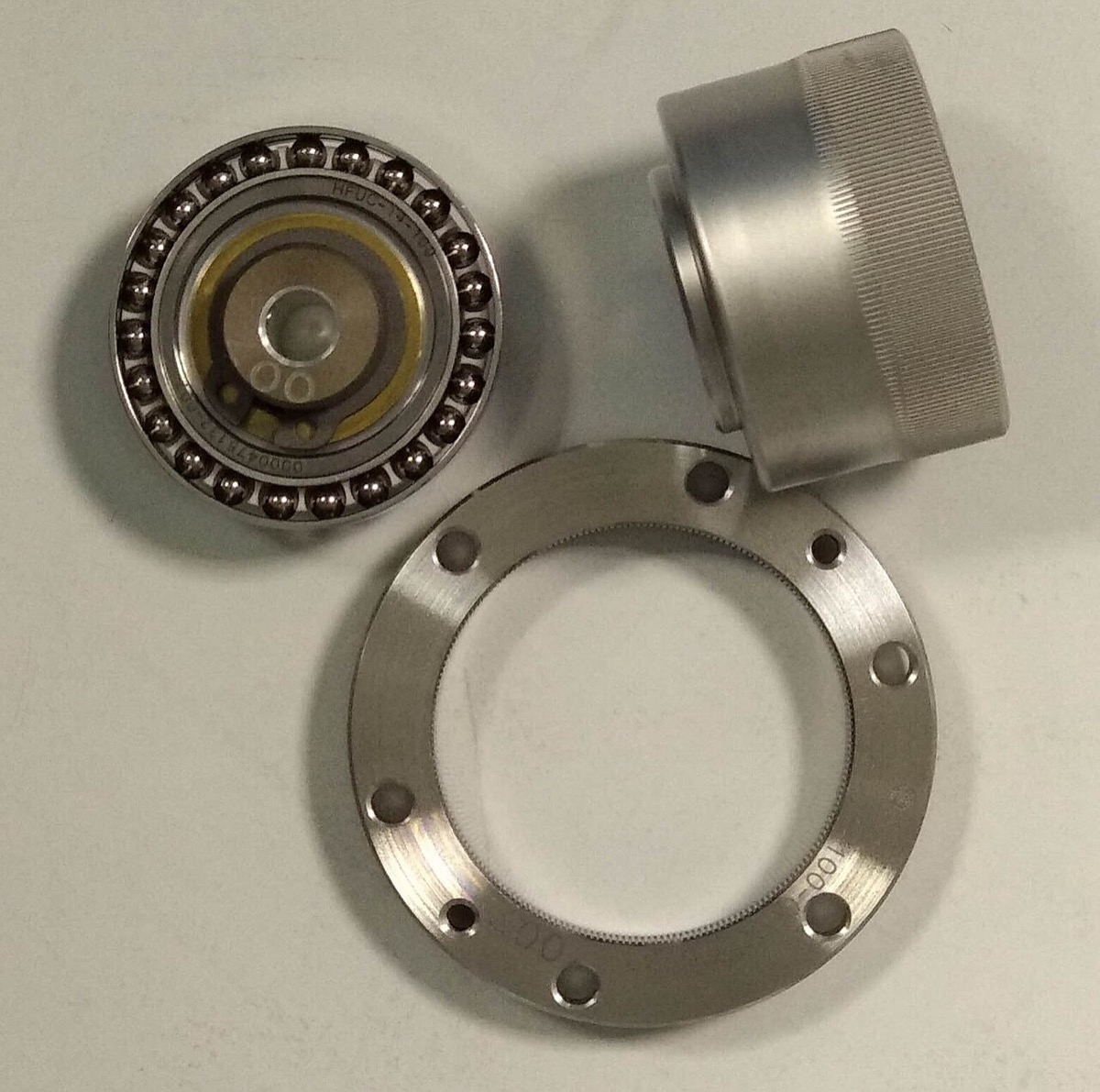
Heat is the other limit. Ding told Scientific American that motors have long been able to handle short distances, but that cooling becomes the bottleneck over longer runs. Honor's Lightning used a liquid-circulation system adapted from its smartphones, the magazine reported. For a sprint lasting under nine seconds, heat matters less within the race than across a week of heats, semifinals and finals, where the same joints have to perform again and again.
Control
The control software has to keep a body balanced while it accelerates from a standstill to more than 11 m/s on average. At that speed, each foot is on the ground only briefly, so balance corrections and added speed both have to happen within short contacts. The center describes tuning its motion control separately for each race distance, which suggests that a sprint policy and a 1,500 m policy are different programs rather than one general gait.
Scientific American notes that training controllers in physics simulation, the technique that made Oregon State University's bipedal robot Cassie run, likely underlies robots like Lightning as well. Alan Fern, an Oregon State computer scientist who helped build Cassie, has spent most of his career training two-legged robots to walk. Jonathan Hurst, Cassie's co-creator and a co-founder of Agility Robotics, told the magazine he believes Cassie's 2021 outdoor 5K was the first time a two-legged robot controlled its own running gait outdoors with reinforcement learning, and that teams around the world now reproduce that approach at a fraction of the cost.
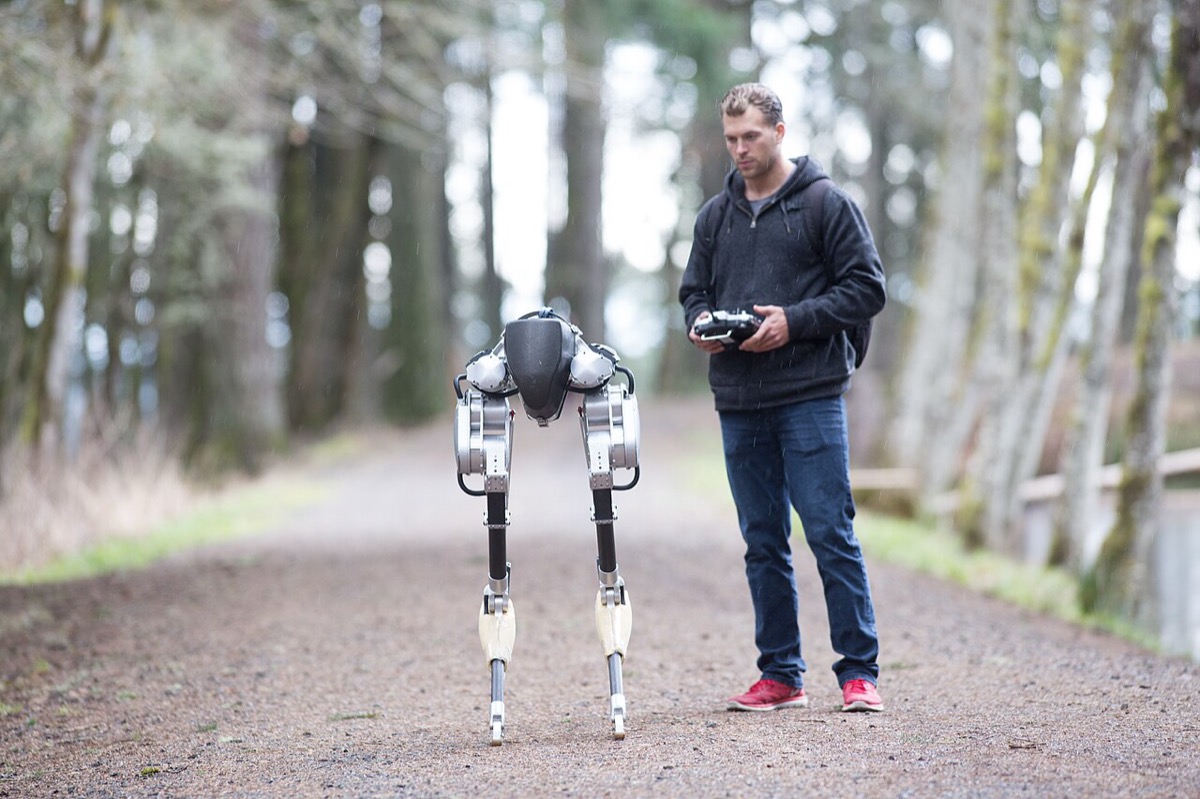
Cassie's record is a useful yardstick. IEEE Spectrum reported in September 2022 that it ran 100 m in 24.73 seconds, an average of about 4 m/s. The record required a standing start and a return to the starting point without falling over, and the researchers said reaching a sprint from standing and then slowing to a stop was among the hardest parts. A human steered Cassie by remote control. Four years later, the fastest humanoids average nearly three times that speed, but the stop is still where things go wrong.
Staying in lane
At 11 m/s a robot covers a meter in under a tenth of a second, so a small heading error turns into a lane violation fast. Following painted lines needs clean, fast vision of the track. Positioning against a map, the change the center describes, lets the robot work out where it is from its own sensors and a stored layout of the course. Fern drew a related distinction in his interview with Scientific American: robots that follow a route they already know meet the definition of autonomy for that task, which he called specialized autonomy, but no robot in Beijing's half marathon was dropped into a new place and asked to find its way through a crowd.
Why the Usain Bolt comparison does not hold
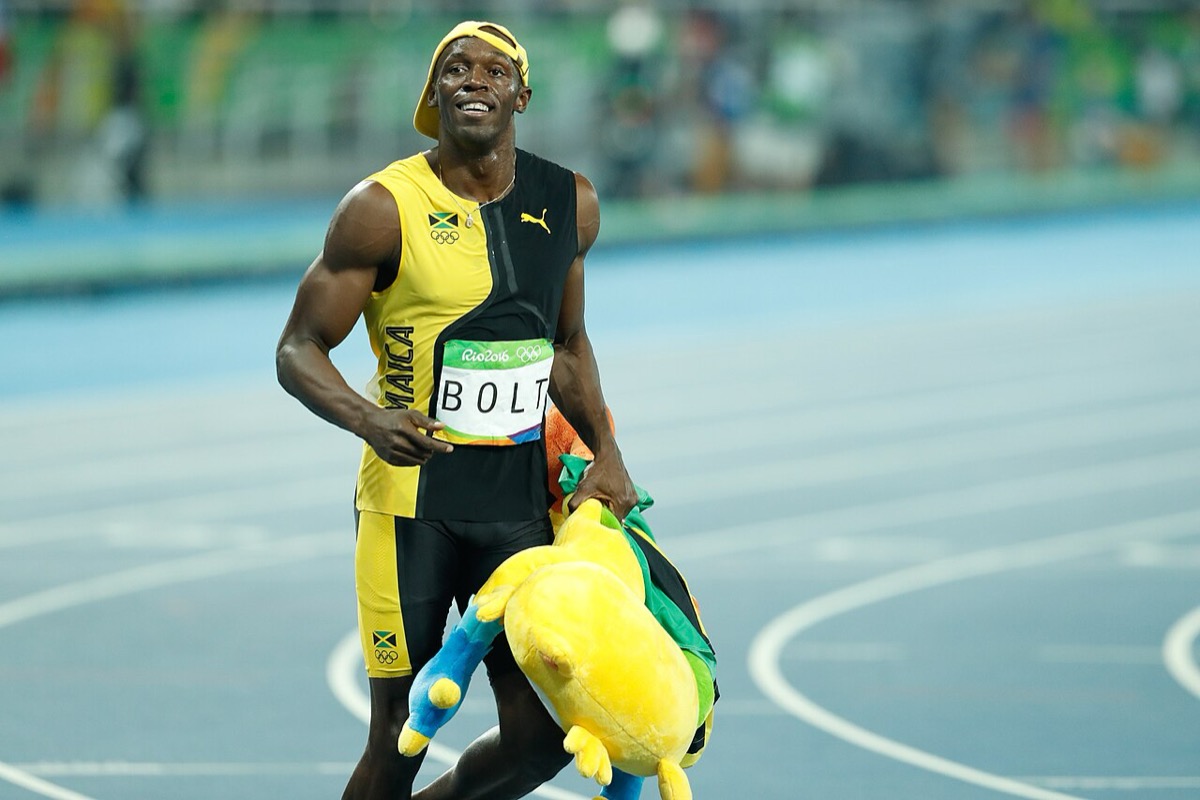
Much of the coverage led with Usain Bolt. Al Jazeera noted after the semifinal that 8.86 seconds was more than seven-tenths of a second faster than Bolt's 9.58-second world record from 2009. The final widened the gap to 0.94 seconds.
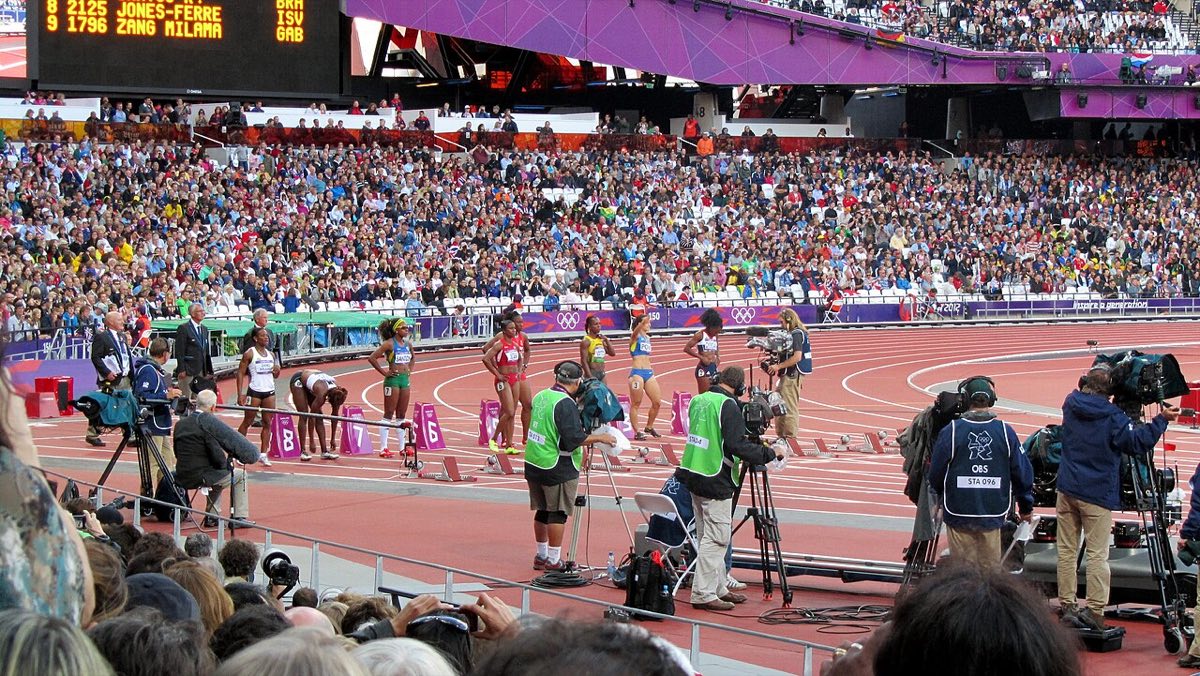
The numbers are right, but they measure different things. Interesting Engineering points out that humanoid robots do not compete under the same physiological, technical or regulatory conditions as human athletes, so their times cannot stand in for human records. Tiangong Ultra is a machine built for one job, with motors and a battery instead of muscles and lungs, racing under rules written for robots. Machines have outrun people in a straight line for a very long time. The meaningful comparisons are robot against robot under the same rules, and this robot against its own past: 21.50, then 9.39, then 8.86, then 8.64.
Rodney Brooks, the MIT emeritus professor and iRobot co-founder, made a sharper version of that point to Scientific American about April's half marathon. He compared robot-versus-human races to old races between horses and cars, and argued that a robot running a premapped course with a support crew shows nothing about safety or interaction with people. His broader warning was that people see one impressive performance and wrongly assume general competence.
The comparison also hides what humans still do easily. A sprinter slows over a few strides and walks back to the start. Tiangong Ultra needed a mat to stop, and a small fire followed. Running fast on a flat, known track is also a narrow skill next to what useful robots need, such as stairs, rubble, recovering from a shove and carrying loads. The center frames racing in those terms, telling the Global Times that the events test the limits of mobility and hardware reliability, and that the work could feed into long-distance inspection, logistics and emergency response in complex 3D environments. It also says it wants to balance speed with a humanlike running posture, stability and appearance.
Open questions
- Reliability. Teams publish winning times, not failure rates. We do not know how many runs Tiangong Ultra attempted, how often it fell, or how much repair happened between rounds. A record that ends in a fire is not yet a repeatable capability.
- Stopping. The organizers placed a thick mat past the finish line to stop the sprinting machines. Cassie's 2022 record required a controlled stop. A similar rule here would test a much more useful skill.
- Generality. The center's own description of separately tuned controllers for each race suggests specialist programs. Talking about April's half marathon, Fern told Scientific American he saw no scientific advance in the basic principles of robot walking, crediting the year's gains to engineering and investment. Ding put it another way: he argued that hardware is no longer the main limit and that the real work now lies in algorithms.
- Measurement. The reports so far give finishing times. Peak speeds, ground contact times and power draw would say much more about the engineering, and none of that is public for Tiangong Ultra.
What builders can take from it
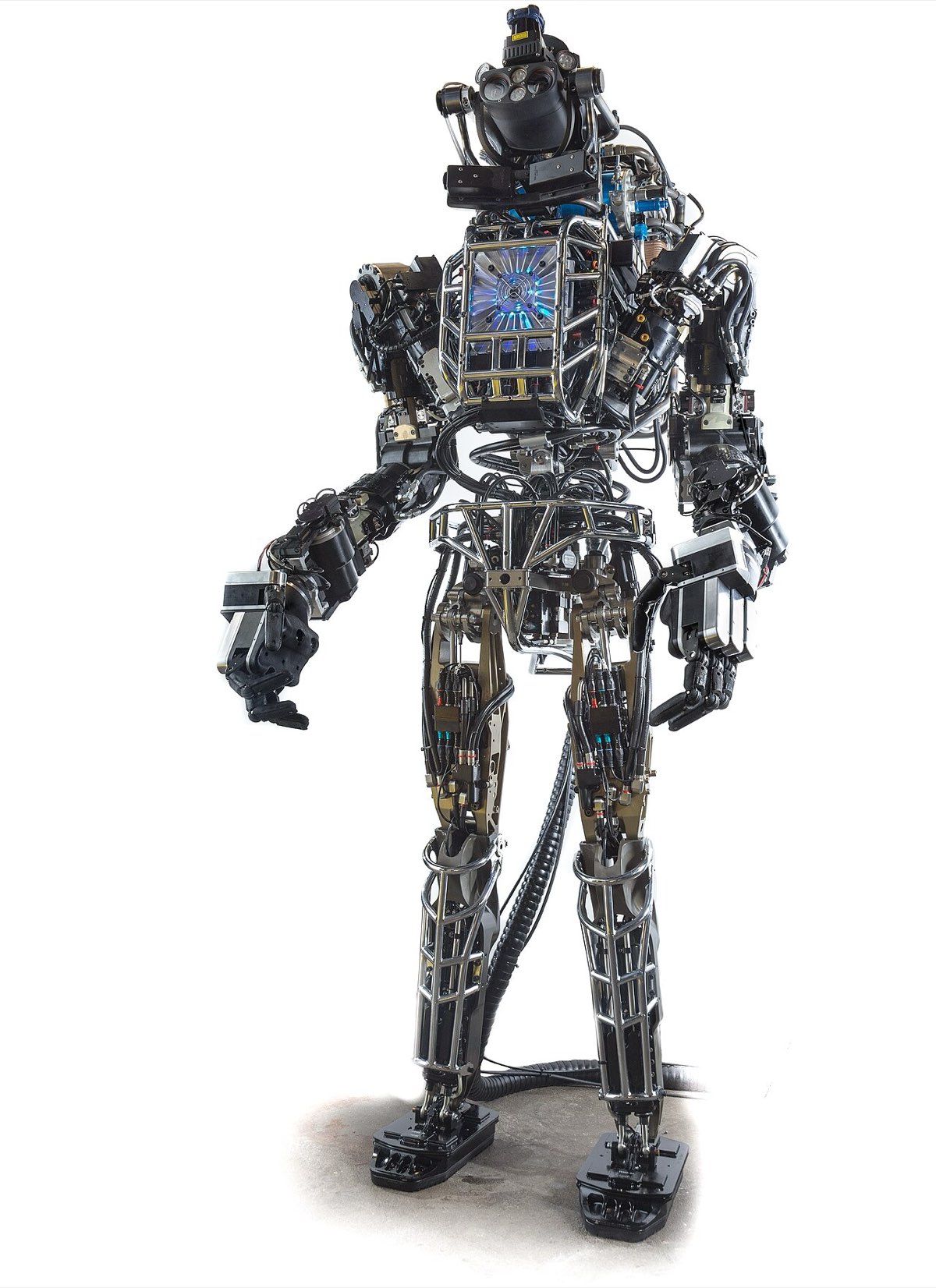
If you work on legged locomotion in simulation, a 100 m dash is a tidy benchmark. It has one objective, a fixed course and failure modes that are easy to measure: falls, lane drift, overheating and stopping distance. The changes the center lists span hardware (joints, weight, body shape), control tuning and navigation, rather than one breakthrough algorithm.
A few concrete things to try:
- Score the stop, not just the time. Add stopping distance and "still standing at the end" to your reward or your evaluation, as Cassie's record did. A policy that finishes 5% slower but stops on its own is the more useful result.
- Study mass distribution. Ding's point about light shins and feet is easy to test in simulation. Move mass toward the hips in your robot model and compare energy per stride and peak speed.
- Log heat across repeated runs. A single sprint hides thermal limits. Run ten in a row in simulation or on hardware and watch which joints saturate first.
- Separate localization from gait. Tiangong's switch to map-based positioning is a reminder that perception and state estimation fail differently at speed. Test your controller with noisy position estimates, not just perfect ones.
- Look at the released data. The organizers say their 2,500-hour dataset of competition and training data is free for companies, universities and research institutions. For teams working on manipulation or task benchmarks, the scenario events may be more useful than the races.
Practical tip. If your hackathon project uses a real legged robot, set a hard speed cap and a physical stopping zone before any speed test. The fastest machines in Beijing needed padded barriers, and one still caught fire.
What to watch
As of the closing ceremony, the organizers have set the third games for Beijing in August 2027, with more scenario-based events. That shift is the thing to watch. Speed records will keep falling as long as teams can strip robots down for one event. The harder question, which Brooks, Fern and Hurst each raised in April from different angles, is whether the same machines can do useful, safe work among people. The sprint shows how quickly hardware and control engineering are improving. The fire at the finish line shows how much is left.
Sources
- Tiangong Ultra sets 100m record as World Humanoid Robot Games close (CGTN, August 27, 2026)
- Chinese robot Tiangong clocks sub-9-second 100 metres in Beijing (Al Jazeera, August 25, 2026)
- Tiangong breaks 100m record again with 8.86-second sprint (Global Times, August 25, 2026)
- Tiangong Ultra broke its own record in the final race (Interesting Engineering, August 27, 2026)
- A robot ran a half marathon faster than a human. Here's why folding laundry is still harder (Scientific American, April 22, 2026)
- Robot Tiangong Ultra wins world's first humanoid half-marathon (CGTN, April 19, 2025)
- Bipedal robot Cassie sets a world record for speed (IEEE Spectrum, September 28, 2022)
- World Humanoid Robot Games (Wikipedia)
More from the blog
Robotics ·
BMW moves Figure 03 humanoids into parts sequencing at its Spartanburg plant
After a Figure 02 pilot in the body shop that supported 30,000 X3s, BMW is starting Figure's newer humanoid on a harder logistics job, picking unsorted parts.
11 min read
Robotics ·
Hugging Face opens an agent-built app store for its Reachy Mini desk robot
Describe a robot behavior in plain English and an agent writes, tests and ships the code. The Reachy Mini catalog has 200+ apps from 150+ creators and nearly 10,000 robots to run on.
11 min read
Robotics ·
Gemini Robotics-ER 1.6 learns to read gauges for Boston Dynamics' Spot
Google DeepMind's new embodied reasoning model reads analog instruments with 93% accuracy on its own test when it can zoom and run code, up from 23% for version 1.5.
11 min read