Robotics
BMW moves Figure 03 humanoids into parts sequencing at its Spartanburg plant
After a Figure 02 pilot in the body shop that supported 30,000 X3s, BMW is starting Figure's newer humanoid on a harder logistics job, picking unsorted parts.
HackHoster Team · · 11 min read
At a glance
- BMW said on June 25, 2026 that Figure AI's Figure 03 humanoid will start sequencing parts in logistics at Plant Spartanburg, South Carolina.
- The robot picks unsorted parts from containers into sequencing trolleys, which a tugger train or transport robot takes to the assembly line.
- In the 2025 pilot, Figure 02 loaded sheet-metal parts for welding and supported production of more than 30,000 BMW X3s.
- Figure's published targets for that job were an 84-second cycle, under 5 mm placement error and more than 99% accuracy per shift.
- Neither company disclosed how many Figure 03 units are going to the plant, what targets the new job must hit, or what it costs.
BMW Group said on Thursday that Figure AI's Figure 03 humanoid robot will start work at Plant Spartanburg in South Carolina, on a parts-sequencing job in logistics. It is the second humanoid project at the plant. In 2025 the previous model, Figure 02, worked in the body shop loading sheet-metal parts for welding.
Ulrich Wieland, BMW Manufacturing's vice president of production control and logistics, described Spartanburg as the place where humanoid robots first became part of BMW's day-to-day operations. On timing, though, he said BMW is now looking forward to deploying Figure 03, which suggests the robots are at the start of this job, not running it at full rate. Figure founder and CEO Brett Adcock said in the same release that the earlier deployment proved "humanoids are no longer lab experiments."
That claim is worth testing against what the two companies have actually published, which is more than most humanoid deployments disclose, and a lot less than a factory engineer would want.
The new job: bin picking into sequencing trolleys
BMW describes the task step by step. Parts arrive at the plant unsorted in containers. Figure 03 picks them out and places them into a sequencing trolley in a set order. An automated tugger train or one of BMW's Smart Transport Robots then carries the trolley to the installation point, where assembly workers receive the parts just in sequence.
Just in sequence means parts reach the assembly line in the exact order of the cars coming down it, so a worker reaches for the next part and it is the right one for the next vehicle. It goes one step beyond just in time, which only promises that parts arrive when needed. Getting the order right is a sorting job, and sorting is what Figure 03 will do.
BMW says this kind of sequencing task comes up often in automotive logistics and offers room to develop and scale further, which is why it chose it. That is the strategic logic: a task that repeats across many stations and plants is worth more to automate than a one-off.
For anyone who has worked on robot manipulation, the hard part is obvious. Picking from an unsorted bin means parts in random poses, partly hidden under each other, and a grasp that has to be chosen fresh every time. That is a different problem from Figure 02's job, a repeated pick-and-place routine with three known parts.
How BMW and Figure got here
The partnership is older than the robots now in the plant, and its public history has not been smooth.
| Date | Event |
|---|---|
| January 2024 | BMW and Figure announce a partnership to bring humanoids into car production |
| August 2024 | BMW says a Figure 02 test at Spartanburg is complete but no robots are deployed and no timeline is set |
| February 2025 | Adcock says publicly that a fleet of Figure robots is performing end-to-end operations for BMW |
| April 2025 | Fortune reports BMW's account: one Figure robot at a time, at first only outside production hours |
| 2025 | Figure 02 works in the body shop for about ten months and supports more than 30,000 X3s |
| November 2025 | Figure publishes the pilot's targets and results |
| June 25, 2026 | BMW announces Figure 03 for logistics sequencing |
The WardsAuto report from August 2024 captures how cautious BMW was at the start. BMW's board member for production, Milan Nedeljković, described the work then as an early test operation to find possible applications for humanoids, and BMW said no robots were deployed at the plant.
The Fortune episode is the part to remember when reading launch releases. In April 2025, Fortune's Jason Del Rey reported that after Adcock described a fleet of robots doing end-to-end work, a BMW spokesperson told him that only one Figure robot was working at the plant at any given time. According to that account, the robot had practiced picking and placing parts outside production hours before moving to live production around March 2025, still on a single, limited task. What came next was more substantial: a body-shop job that ran through most of 2025 and produced the numbers below.
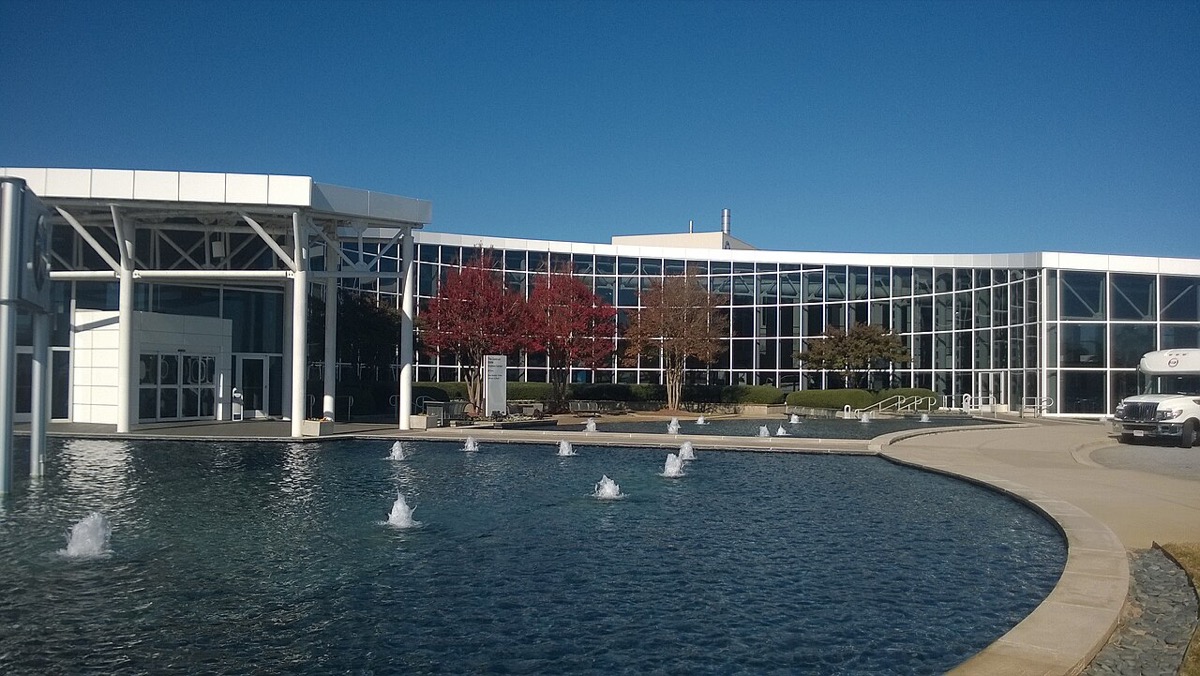
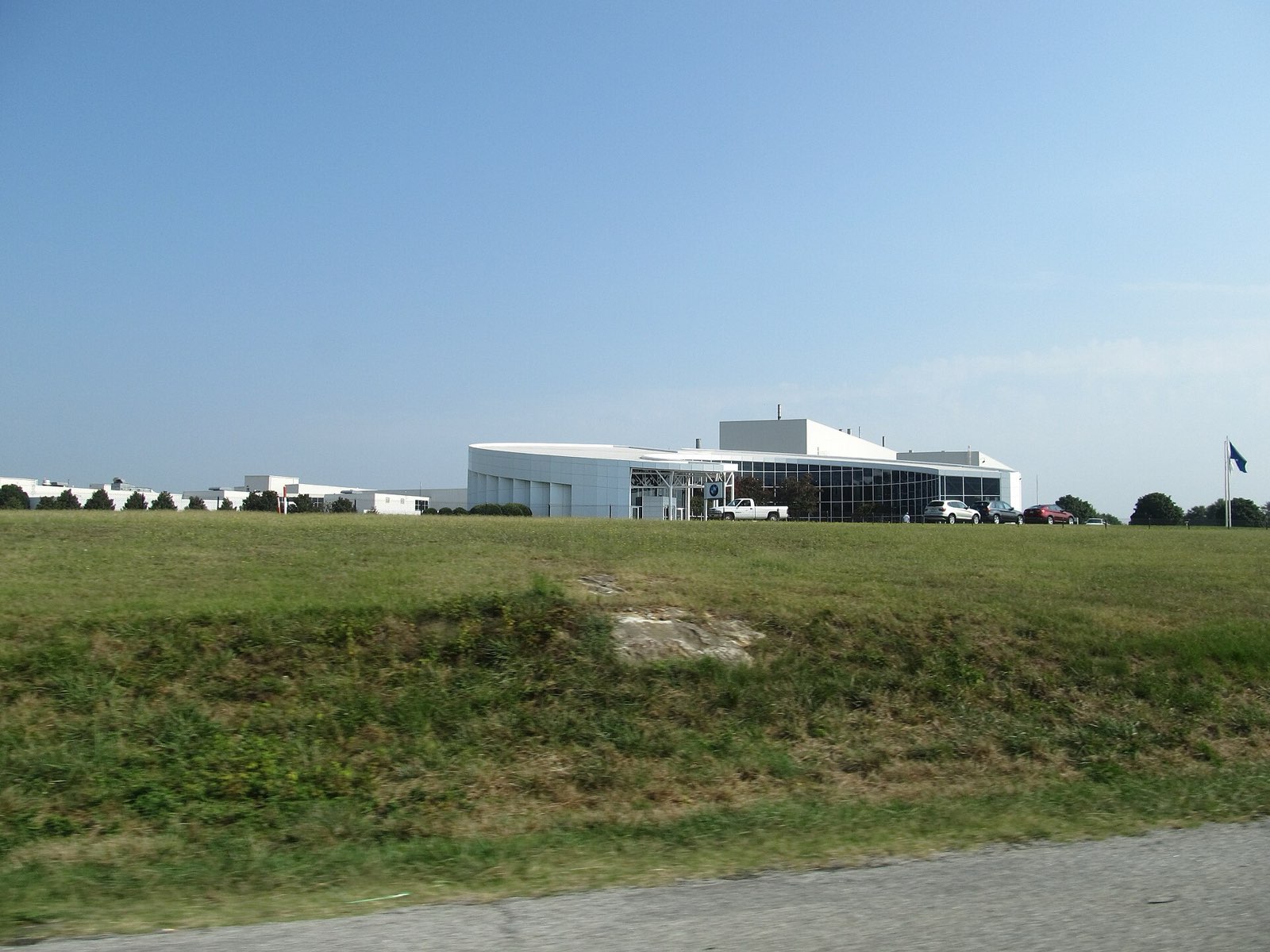
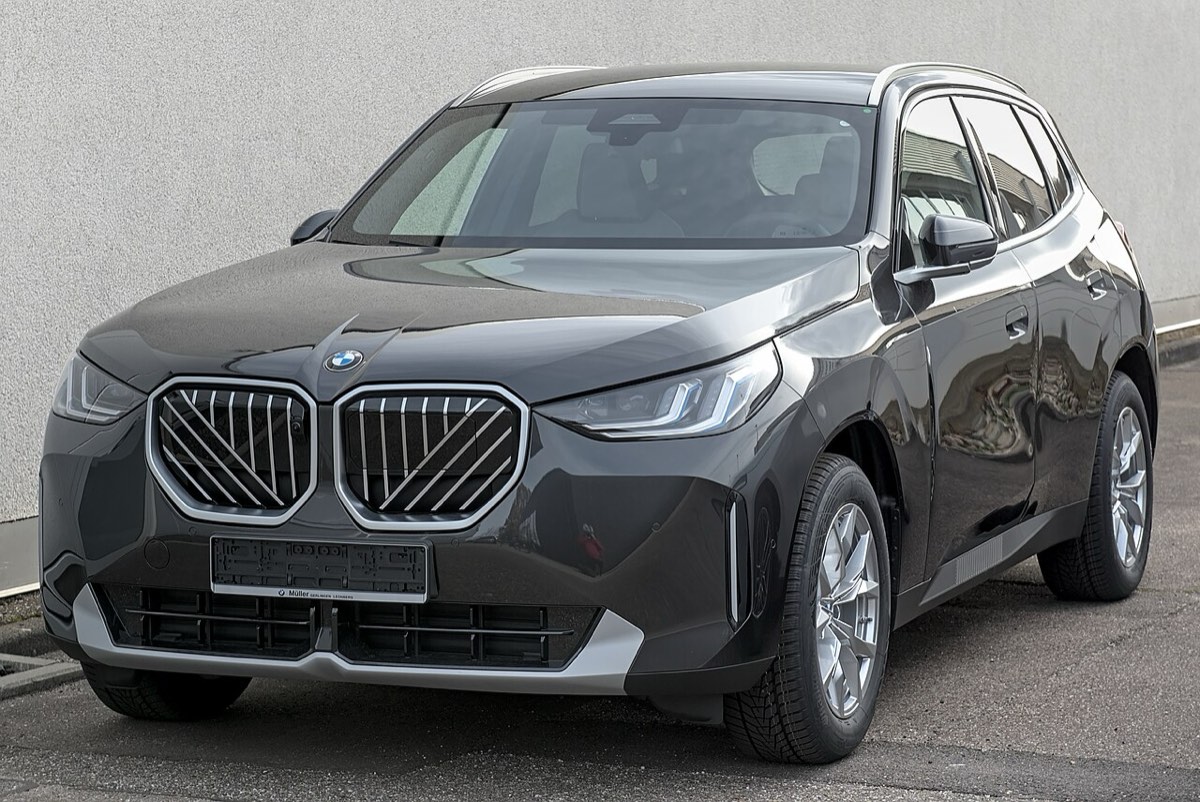
The plant itself explains why BMW tests here. According to Wikipedia's entry on BMW's US operation, the Spartanburg site in Greer opened in 1994, covers about 1,150 acres and employs around 11,000 people. It built 396,117 vehicles in 2025, of which about 225,000 were exported, and it is BMW's largest plant in the world by production volume. Its current lineup is the X3, X5, X6, X7 and XM.
What the Figure 02 pilot measured
The earlier pilot gives a sense of how BMW judges a humanoid. Figure published the details in November 2025, as reported by heise online. The job was to take three different sheet-metal parts from shelves or containers and place each into a welding fixture, where a six-axis industrial robot then did the welding.
| Measure | Target or result |
|---|---|
| Cycle time | Target of 84 seconds per welding cycle, 37 of them for loading |
| Placement | Under 5 mm deviation, within two seconds |
| Accuracy | More than 99% per shift, reported as achieved |
| Human interventions | Target of zero per shift |
| Shifts | 10 hours, Monday to Friday |
| Operating hours | More than 1,250 |
| Parts moved | More than 90,000 |
| Robot movements | About 1.2 million, covering more than 320 km |
| Cars supported | More than 30,000 BMW X3s |
BMW's release puts the production support at ten months, while a quote in the same release refers to an 11-month deployment, so the period is counted slightly differently depending on who is talking.
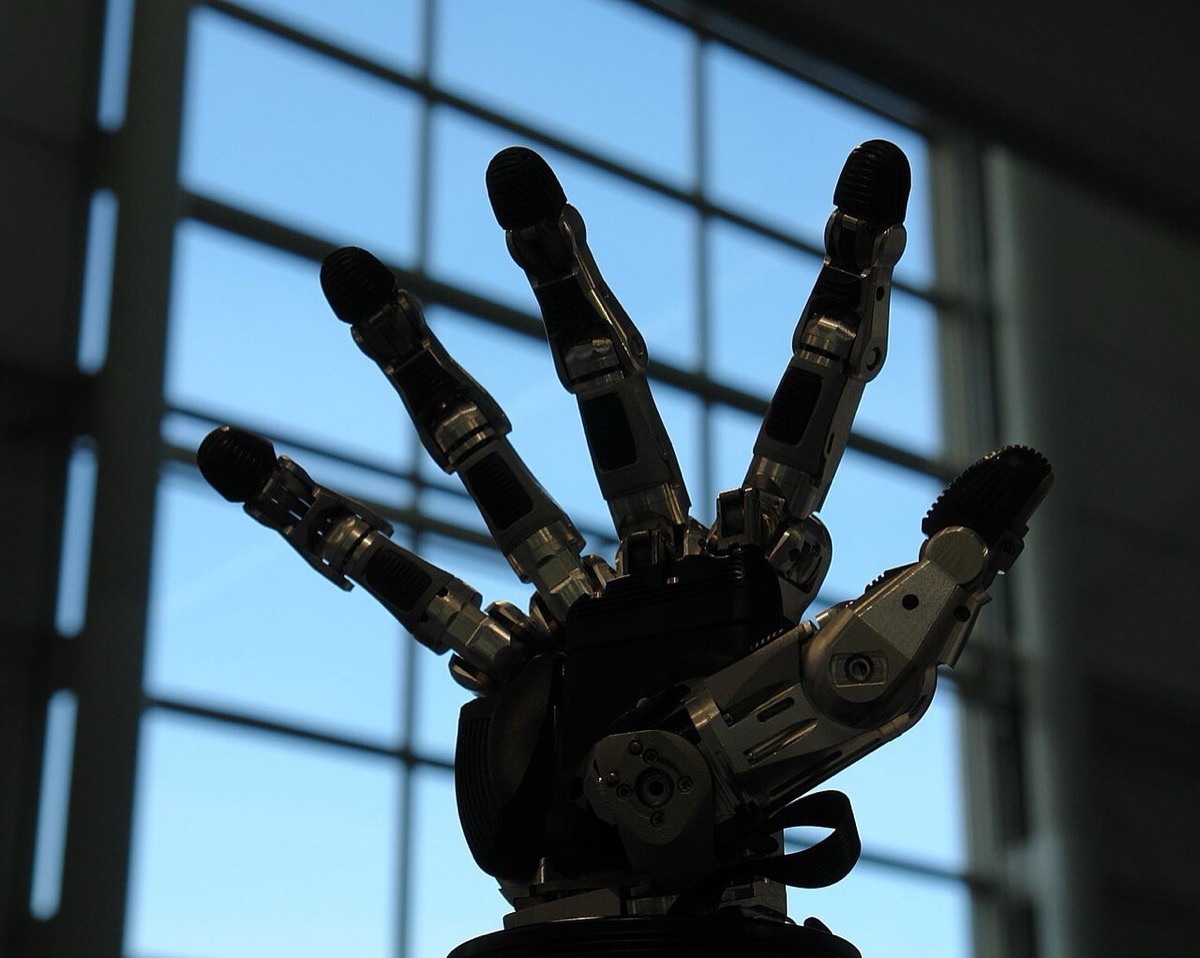
The pilot also showed where the hardware was weak. According to heise, Figure reported only a few hardware failures over the run, but the compact forearm proved vulnerable: thermal stress hit a microcontroller board that handled communication with the wrist actuators. Figure redesigned that communication path. That kind of field data, from a real line under real shift patterns, is the main thing a pilot buys, and Figure says it fed into Figure 03.
Caveat on the numbers. Every figure in this section comes from Figure or BMW. Nobody outside the two companies has audited them, and the published set leaves out the measures a plant manager would use to compare options, such as cost per part, downtime and the speed of a human doing the same job.
Why bin picking is a harder test
The new job swaps a structured problem for an unstructured one. In the body shop, the parts were known in advance, presented on shelves or in containers, and placed into a fixed fixture. In sequencing, the robot has to identify which part it is looking at, find a way to grasp it among others, lift it without snagging its neighbors, and put it in the right slot of the trolley.
Three things make that hard for any robot. First, perception: overlapping parts hide each other, so the robot often cannot see the whole object it is grasping. Second, grasp choice: each pick needs a new decision about where to hold the part, and a wrong choice can drop it or disturb the pile. Third, verification: the robot needs to know it actually holds the part it meant to pick before it commits to a slot.
Figure 03's hardware changes line up with each of these. In its October 2025 launch post, Figure said each fingertip sensor can detect forces as small as three grams, roughly the weight of a paperclip, and that a wide-angle camera in each palm is meant for grasps the main cameras cannot see and for work in confined spaces. Tactile sensing helps with verification: a hand that can feel contact can tell a firm grip from a slipping one.
The software side is Helix, Figure's vision-language-action model, which the company describes as learning directly from pixels to actions. A model like that improves with data rather than with hand-written motion programs, which is why field hours from a real plant matter so much to Figure.
What changed in Figure 03
Figure's launch post lists the changes from Figure 02. The ones that matter for factory work:
| Area | Figure 03 compared with Figure 02, per Figure |
|---|---|
| Vision | Twice the frame rate, a quarter of the latency, 60% wider field of view per camera |
| Hands | Fingertip sensors that detect 3 grams of force; a camera in each palm |
| Body | 9% less mass; soft textile covering and multi-density foam at pinch points |
| Charging | Wireless inductive charging at 2 kW through coils in the feet |
| Data | 10 Gbps millimeter-wave link to offload data, for example during breaks |
| Actuators | Twice the speed, with better torque density |
| Audio | Speaker twice as large and about four times as powerful, for speech-to-speech use |
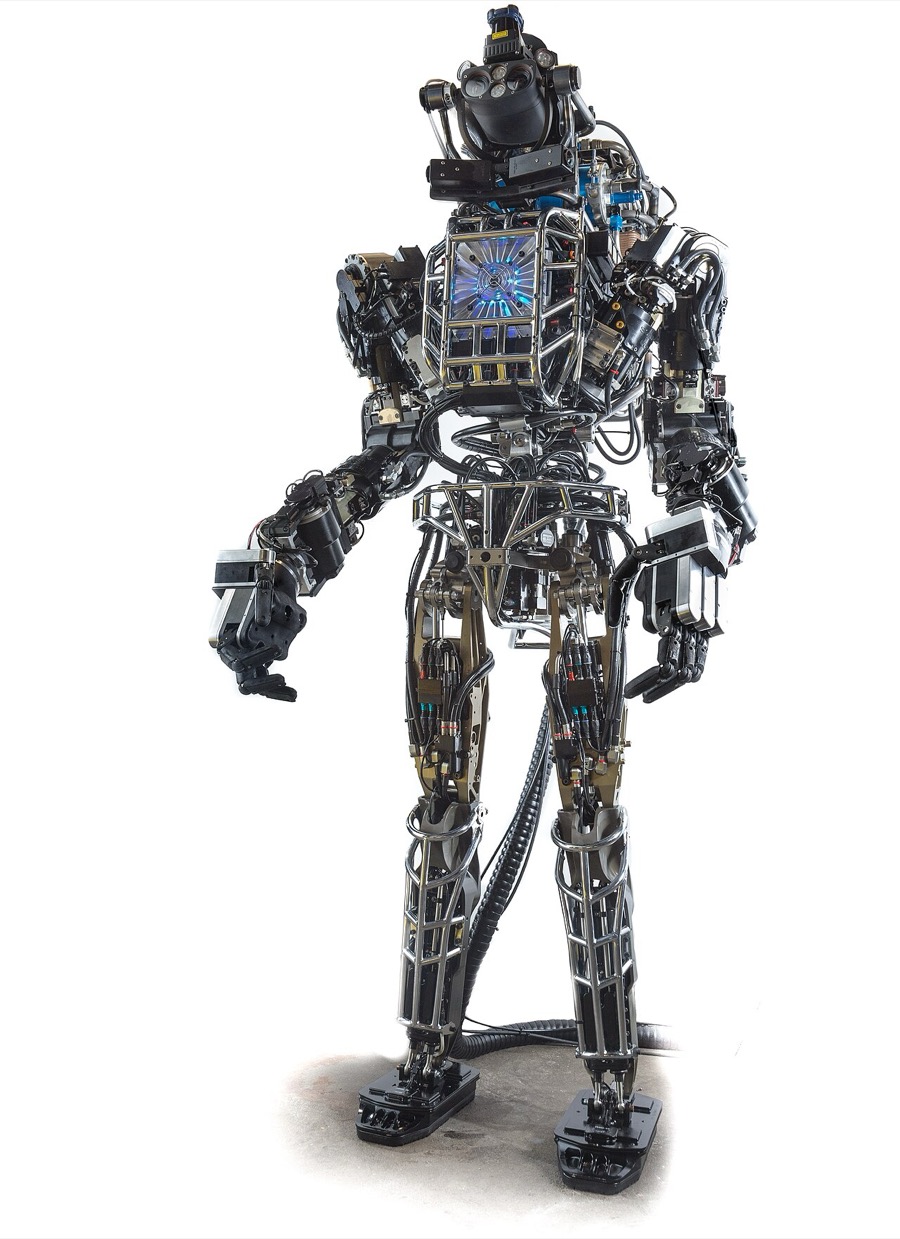
BMW's release highlights the same features: tactile hands with palm cameras, soft outer components for safety around people, wireless charging so the robot spends less time out of service, and speech-to-speech audio so workers can talk to it. Figure also says it built Figure 03 for volume manufacturing at its BotQ facility, with an initial capacity of 12,000 robots a year and a goal of 100,000 over four years.
How this fits BMW's wider robot plan
BMW frames humanoids as an addition to its existing automation, aimed at monotonous, ergonomically hard or safety-critical jobs, not as a replacement for its robot cells. The Figure 03 project sits inside Hall 52, the Spartanburg assembly hall that builds X3 variants and will later build the electric iX5. BMW says the hall already uses 3D simulation to plan processes, a Virtual Factory tool that simulates human movement to catch ergonomic problems, and AIQX, a camera- and sensor-based quality inspection system that gives workers immediate feedback on their devices.
Spartanburg is also no longer BMW's only humanoid site. In February, BMW said it was running a pilot at its Leipzig plant in Germany with AEON, a wheeled humanoid from Hexagon Robotics that was unveiled in June 2025. According to BMWBLOG, the Leipzig pilot began in December 2025, with a broader test planned for April 2026 and a full pilot in summer 2026, aimed at high-voltage battery assembly and component manufacturing. BMW has also set up a Center of Competence for Physical AI in Production that puts each new robot through the same stages: lab tests, initial plant trials, then a full pilot.
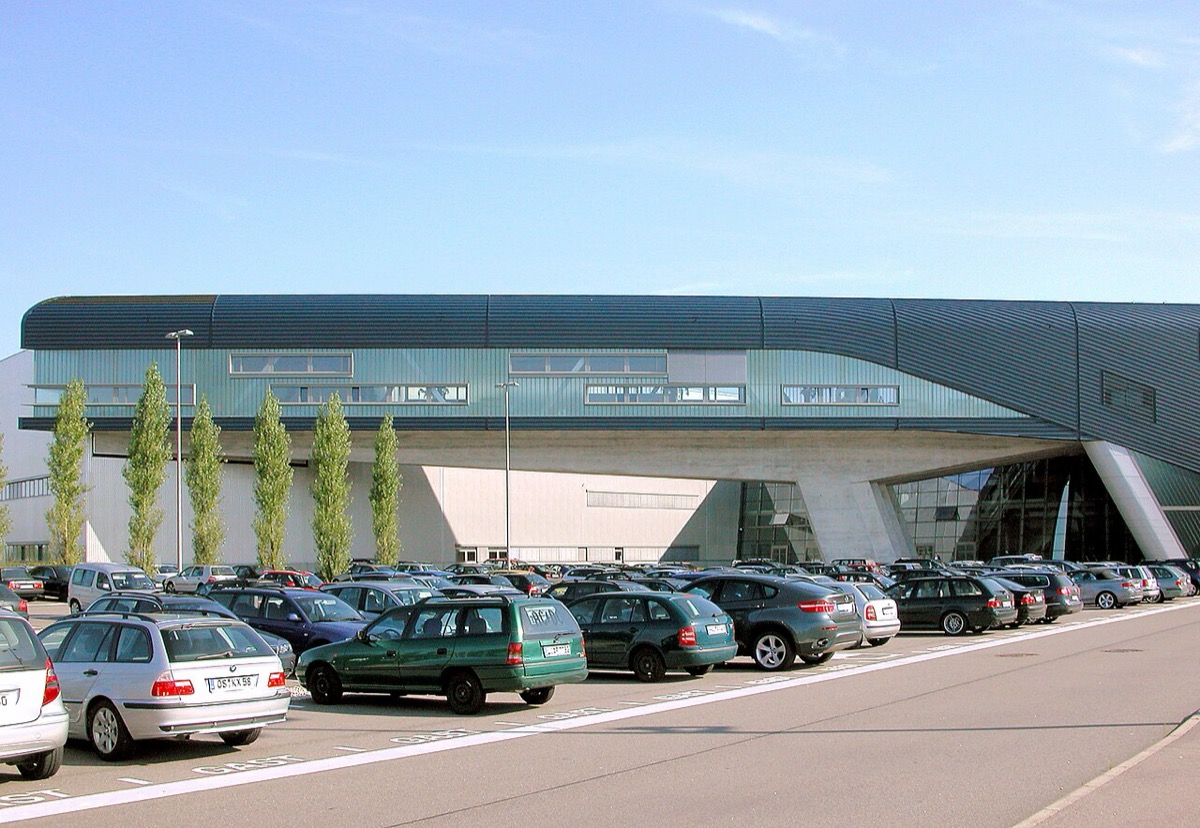
Two vendors, two robot designs and a formal evaluation path suggest BMW is treating humanoids as a category to test, not a bet on one supplier.
Open questions and criticism
The caveats are the usual ones for vendor announcements, plus a few specific to Figure.
The new job has no published bar. Neither company said how many Figure 03 units are going to Spartanburg, what cycle time or accuracy they must reach, or when the job counts as a success. The Figure 02 targets were published months after the pilot ran.
Nobody has disclosed costs. There is no public comparison between a humanoid and a conventional automated picking cell, or a person, for this task. Without that, the business case is a claim.
Safety is contested. In November 2025, Figure's former head of product safety, Robert Gruendel, sued the company, alleging he was fired after warning executives that its robots were powerful enough to fracture a human skull, according to CNBC. Figure said he was terminated for poor performance and called the allegations falsehoods. The case does not concern BMW, but it is the context in which Figure 03's soft covering and foam padding should be read.
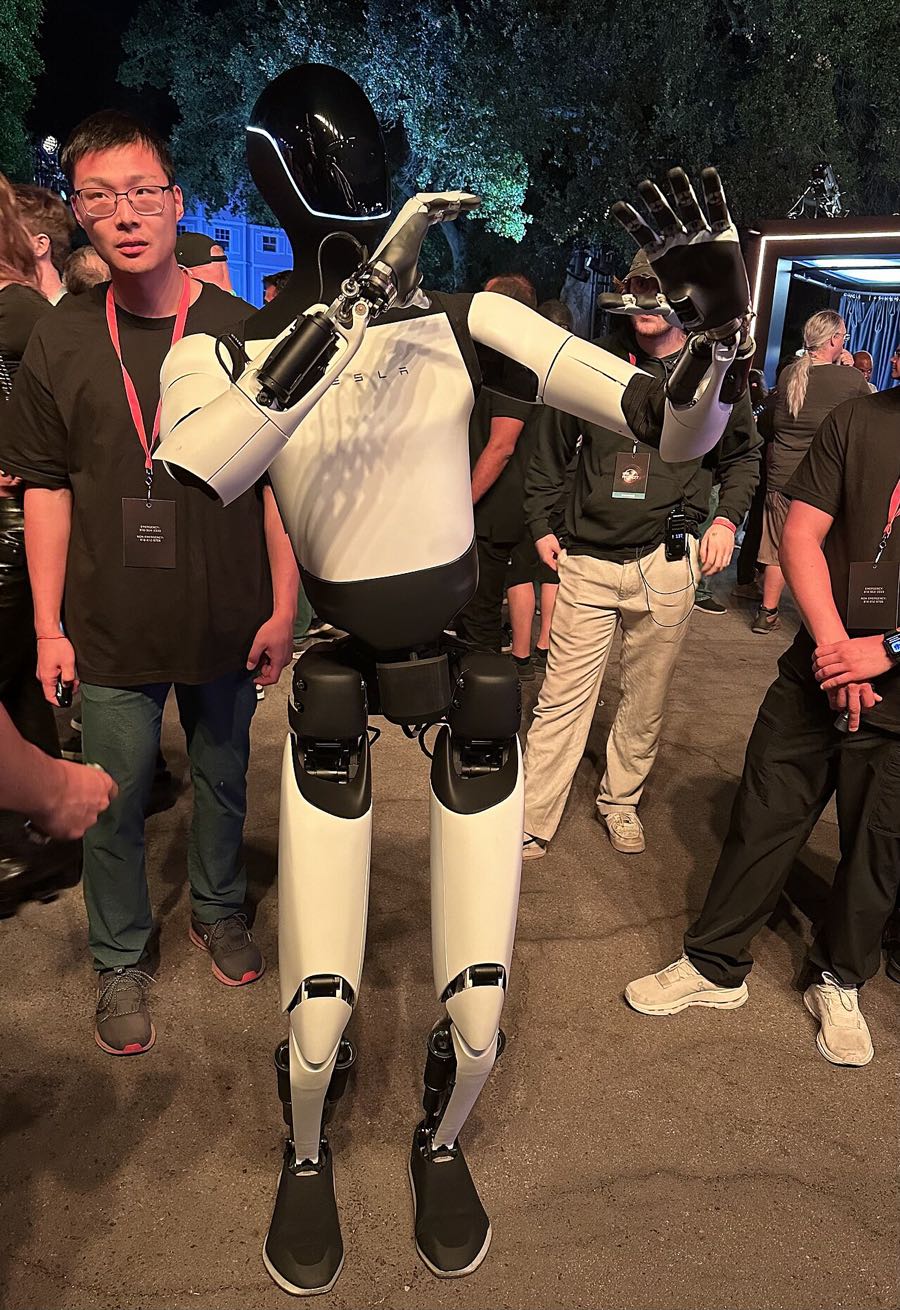
The money is ahead of the deployments. CNBC reported that Figure was valued at $39 billion in September 2025, a roughly 15-fold increase from early 2024. The same report cited a Morgan Stanley forecast that humanoid adoption is likely to accelerate only in the 2030s. The deployments described publicly at Spartanburg so far involve one task at a time, and the valuation assumes something much larger.
What builders can take from it
For builders, the takeaway is less about humanoids taking over factories and more about what the bar looks like. A car plant measures a robot on cycle time, placement tolerance, accuracy per shift and interventions, and it publishes very little. If you work in robotics, simulation, grasp planning or the tooling that logs and evaluates these runs, those numbers are the ones your work has to move.
Practical starting points for a hackathon team:
- Build the evaluation harness first. Log every pick with a timestamp, the part identity, success or failure, and any human touch. Figure's published KPIs show the shape of a factory scorecard, and a harness that produces it is useful whatever robot or gripper you use.
- Start with cluttered-bin picking in simulation. Randomize poses and occlusion, and measure how often the first grasp succeeds. That single number captures most of what makes sequencing hard.
- Add a verification step. Use a second view or a tactile signal to confirm the grasp before placing. In sequencing, putting the wrong part in the right slot is worse than a slow pick.
- Plan for hardware failures. Figure's forearm problem came from heat in a compact board, the kind of issue that only shows up after hundreds of hours. Track temperatures and error counts from day one.
Practical tip. If you are building data tooling, note that Figure gave Figure 03 a 10 Gbps wireless link just to move data off the robot during breaks. That hints at how much sensor data a working humanoid produces, and at the value of tools that decide on the robot what to keep, label or discard.
What to watch
As of June 26, the open items are concrete. BMW has not said when Figure 03 moves from start-up to steady production at Spartanburg, so the first signal will be whether it publishes targets and results for the sequencing job the way Figure did for the body shop. In Leipzig, the AEON pilot was scheduled to reach its full-pilot phase this summer, which will give BMW a second humanoid to compare against Figure. And as humanoids move closer to people on the line, the safety questions raised in the Gruendel case will follow them into every new plant.
Sources
- BMW Group advances the use of Physical AI in production with Figure 03 project in Spartanburg (BMW Group PressClub)
- Humanoid robot Figure 02 helps build over 30,000 BMW X3s (heise online, November 2025)
- Introducing Figure 03 (Figure AI, October 2025)
- Is the CEO of the heavily funded humanoid robot startup Figure AI exaggerating his startup's work with BMW (Fortune, via Yahoo Finance, April 2025)
- BMW touts success of humanoid robot pilot at South Carolina plant (WardsAuto, August 2024)
- Figure AI sued by whistleblower who warned that startup's robots could fracture a human skull (CNBC, November 2025)
- BMW deploys humanoid robots in Europe for the first time (BMWBLOG, February 2026)
- BMW US Manufacturing Company (Wikipedia)
More from the blog

Robotics ·
Tiangong Ultra wins the humanoid robot games' 100 m final in 8.64 seconds
A Beijing-built humanoid cut its 100 m time to 8.64 seconds, down from 21.50 a year ago. The jump says a lot about locomotion engineering. The Usain Bolt comparison says little.
11 min read
Robotics ·
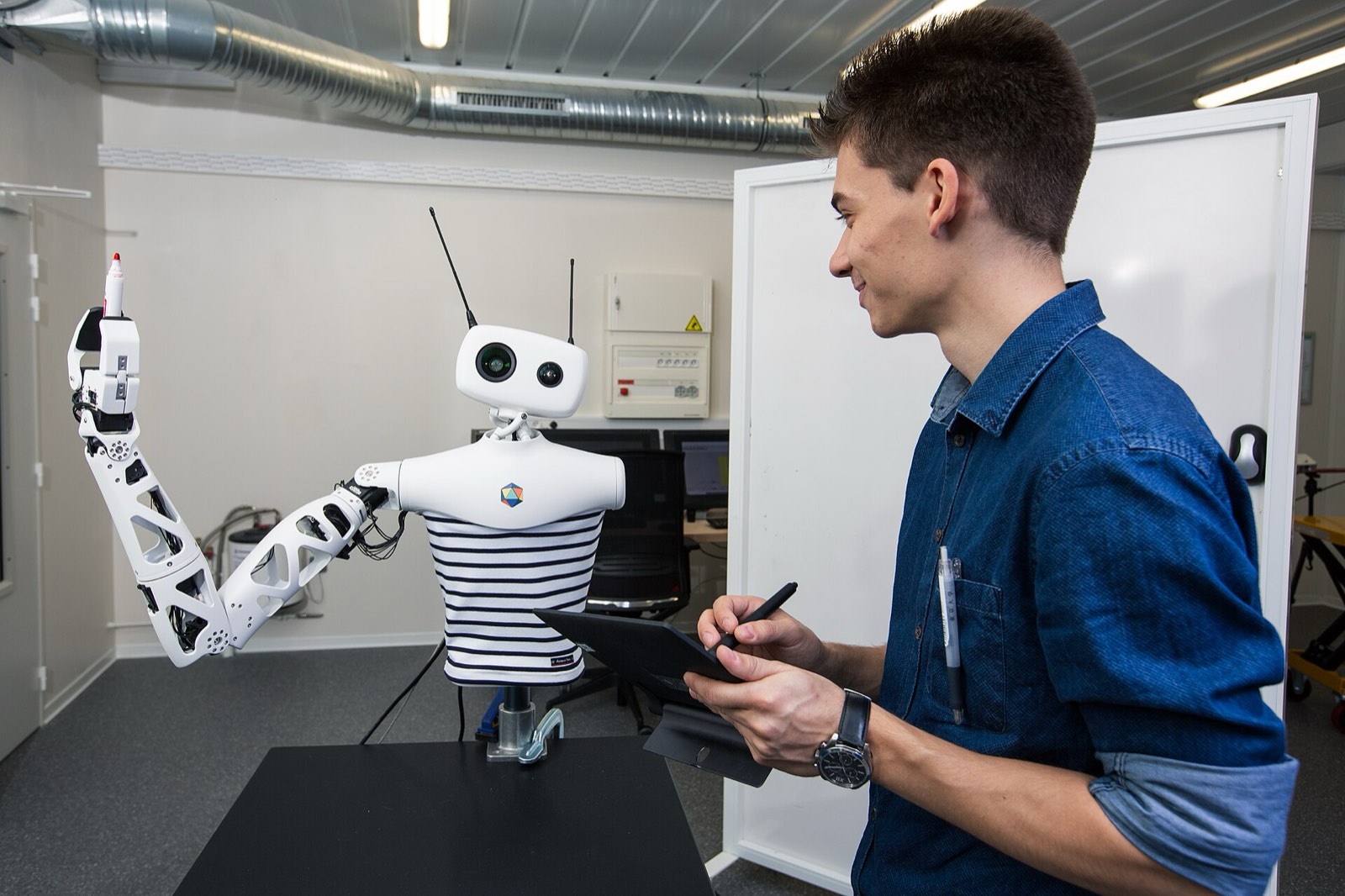
Hugging Face opens an agent-built app store for its Reachy Mini desk robot
Describe a robot behavior in plain English and an agent writes, tests and ships the code. The Reachy Mini catalog has 200+ apps from 150+ creators and nearly 10,000 robots to run on.
11 min read
Robotics ·
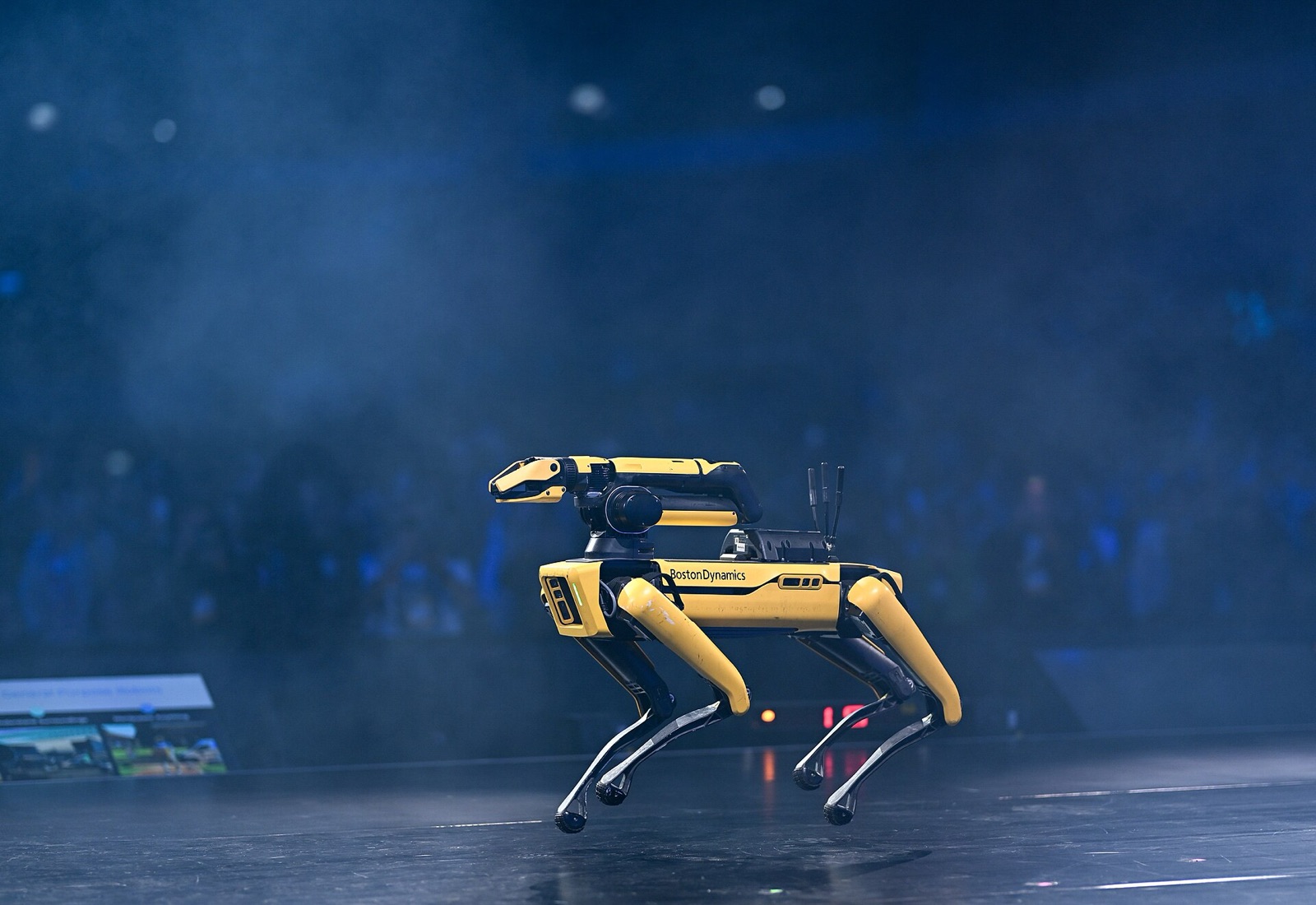
Gemini Robotics-ER 1.6 learns to read gauges for Boston Dynamics' Spot
Google DeepMind's new embodied reasoning model reads analog instruments with 93% accuracy on its own test when it can zoom and run code, up from 23% for version 1.5.
11 min read